
Signs You Need Therapy and Why It's Okay to Finally Ask for Help
You wake up before everyone else, already running through the mental checklist. Emails, schedules, the things you said yesterday that you probably shouldn't have. By noon your chest feels tight, but you push through anyway, because that's what you do. By evening, when the house finally goes quiet, your mind is still going. You tell yourself you're fine. You tell yourself everyone feels this way. But somewhere beneath the surface, a quieter voice is asking: how much longer can I keep doing this?
If that sounds familiar, you're not broken. You're not weak. You're someone who has been carrying a lot for a very long time, and your nervous system is starting to ask for something different. Recognizing the signs you need therapy isn't about reaching a breaking point. It's about being honest with yourself before you get there.
I am Tamara Pancoe, a women's therapist in California, and I work with women who are exhausted from trying to hold it all together and wondering why balance still feels so far out of reach. If you've been wondering whether what you're feeling is "enough" to warrant support, this article is for you. And if you want to understand the kind of work that actually helps women move through this, you're welcome to explore therapy for women and what that space can look like for you.
When should a woman seek therapy? Signs that are easy to miss
Most people imagine that needing therapy looks like a dramatic breakdown: crying in a parking lot, unable to get out of bed, unable to function. But the reality for many women, especially high-functioning ones, is much quieter than that. The red flags don't always announce themselves. Sometimes they show up as irritability you can't explain, a vague sense of dread that follows you through an otherwise fine day, or an exhaustion that sleep doesn't seem to fix.
The signs you need therapy aren't always about what's falling apart. Sometimes they're about what's been held together for too long.
You feel like your emotions are running the show
You snap at the people you love over small things, then feel guilty for hours afterward. Or you feel nothing at all, a flat, hollow kind of calm that doesn't feel like peace, it just feels like numbness. When your emotional responses feel disproportionate, unpredictable, or completely absent, that's often a signal that something underneath needs attention. Emotions don't disappear when we ignore them. They find other ways out.
You've been pushing through for longer than you can remember
There's a version of strength that looks like endurance, the ability to keep going no matter what. And for a long time, that capacity serves you. But there's a point where pushing through stops being strength and starts being survival. If you can't remember the last time you felt genuinely rested, genuinely light, or genuinely like yourself, that's worth paying attention to. Therapy isn't a sign that you've failed to cope. It's a recognition that you've been coping alone for too long.
Your coping strategies aren't working the way they used to
Maybe you used to decompress with a glass of wine and an hour of television, and now neither one touches the tension. Maybe your morning runs felt grounding before, and now they just feel like another thing on the list. When the tools that used to help you regulate stop working, it's usually because what's underneath has grown beyond what those tools were designed to handle. That's not a personal failure. That's a sign you need more support than self-management can offer.

What are the signs you need therapy for anxiety?
Anxiety is one of the most common reasons women seek therapy, and one of the most commonly minimized. Because anxiety in high-achieving women doesn't always look like panic. It often looks like perfectionism, over-preparation, difficulty delegating, and a constant low-grade hum of worry that you've learned to function alongside. If the signs you need therapy for anxiety feel familiar, you're far from alone.
You overthink everything and you can't seem to stop
You replay conversations. You prepare for worst-case scenarios that never happen. You make a decision and then immediately second-guess it, running through every alternative until the original choice feels impossible to trust. Overthinking is one of the clearest signs you need therapy for anxiety because it signals that your nervous system is stuck in a loop, scanning for threat even when there is none. Therapy helps interrupt that loop at the root, not just at the surface.
Your body is telling you what your mind won't admit
Tight shoulders. A jaw you clench without realizing. Shallow breathing. Headaches that show up on Sunday evenings. Digestive issues that your doctor can't find a physical cause for. Anxiety lives in the body, not just the mind, and when we spend years overriding our emotional experience, the body starts to carry what the mind refuses to hold. If you're experiencing chronic physical tension or stress-related symptoms, that's your nervous system waving a flag. It deserves to be heard.
Anxiety is starting to affect your relationships and daily life
When you find yourself avoiding things that used to feel normal, social situations, difficult conversations, new opportunities, anxiety has moved from background noise to something that's shaping your choices. When the people closest to you are starting to notice, or when you're noticing yourself pulling back from connection, that's one of the clearest signs to see a therapist for anxiety. You don't have to wait until you're unable to function to ask for help.
You've lost touch with who you are outside of your roles
Partner, mother, professional, daughter, friend. You move between these roles with efficiency and care, and you do them well. But if someone asked you what you want, not what you need to get done, not what others need from you, but what you genuinely want, would you know? Losing connection with your own desires, preferences, and sense of self is one of the signs you need therapy for women that rarely gets named. It's not a crisis. But it is a cost.
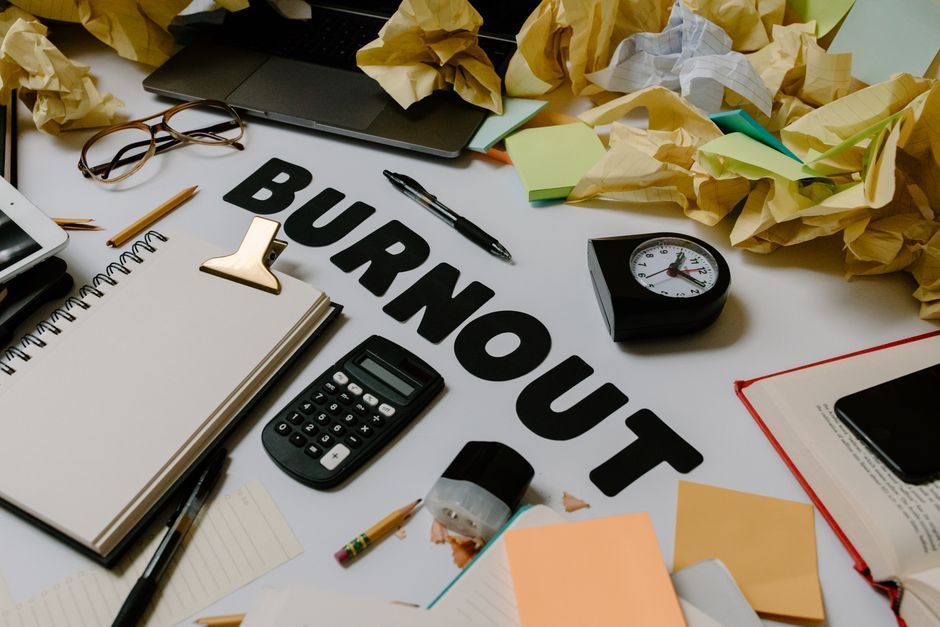
You're experiencing signs of burnout that go beyond just being tired
Burnout is not the same as being tired. Tiredness resolves with rest. Burnout is a deeper depletion, a disconnection from meaning, motivation, and the ability to feel pleasure in things that used to matter. According to the National Institute of Mental Health, women are significantly more likely than men to experience anxiety and depression, particularly during periods of high stress and life transition. If you've been running on empty long enough that rest no longer refills you, that's your body asking for something more than a weekend off.
Can therapy actually help and what are the real benefits?
One of the most common hesitations women have about starting therapy is the quiet fear that it won't actually work, or that it's only for people with "real" problems. The truth is that therapy is one of the most evidence-based, consistently effective tools available for improving mental health, emotional regulation, and quality of life. And the benefits go well beyond symptom relief.
What changes when you finally have a space that's just for you
For many women, therapy is the first time they've had a space that is entirely theirs. No one to take care of. No performance required. Just honest conversation with someone who is trained to listen without judgment and reflect back what they hear. That experience alone, of being truly witnessed, can be profoundly therapeutic. It recalibrates something in the nervous system. It reminds you that you are allowed to take up space.
What the research says about therapy and anxiety relief
Research consistently shows that therapy, particularly cognitive behavioral approaches and mindfulness-based modalities, produces significant and lasting reductions in anxiety, depression, and stress. The benefits of therapy for women extend into physical health, relationship quality, and long-term resilience. This isn't about talking in circles. It's a structured, intentional process with real, measurable outcomes.
What happens if you ignore the signs and don't get therapy?
The honest answer is that untreated anxiety and emotional depletion don't stay the same. They tend to grow, slowly, quietly, and in ways that are easy to rationalize until they're not. When your nervous system is chronically activated, constantly scanning, constantly bracing, it uses an enormous amount of energy. Over time, that sustained activation has real consequences: cognitive fog, emotional flatness, difficulty being present, and a growing distance from the people and experiences that matter to you.
Anxiety that goes unaddressed tends to narrow your world. First, you avoid the things that trigger it. Then you avoid the things that feel adjacent to those things. What begins as a manageable hum becomes a set of invisible walls around your life. The longer anxiety goes unaddressed, the more entrenched those patterns become, and the more work it takes to loosen them later.
There's a story many high-functioning women tell themselves: I'll get help when it gets bad enough. But "bad enough" is a moving target. You don't have to be in crisis to deserve support. You don't have to hit a wall to justify care. The signs you need therapy are enough. Your discomfort is enough. You are enough.
How to find the right therapist and what to expect
When searching for the right fit, look for a therapist who specializes in what you're bringing, whether that's anxiety, burnout, life transitions, or women's specific experiences. Look for language on their website that resonates with how you experience your struggles. If their words feel like they were written for you, that's meaningful. Trust that instinct.
Your first session is not a test. It's a conversation, a chance for you and your therapist to get to know each other, explore what's brought you in, and begin to understand what you're working toward. You don't need to have everything figured out before you arrive. You just need to show up. If you're looking for a women's therapist who understands the specific pressures that high-achieving women carry, that specificity matters. Find someone who gets it.
You don't have to wait for things to fall apart
If you've read this far, something in this article spoke to you. Maybe you recognized yourself in more than one section. Maybe you've been sitting with these signs for a while, quietly wondering if they count. They do. Your experience counts. Your exhaustion counts. The quiet voice beneath the surface that keeps asking for something different, that counts most of all.
Therapy isn't reserved for people in crisis. It's for anyone who is ready to stop performing calm and start finding it. It's for the woman who has spent years holding everything together and is finally ready to let someone hold space for her.
If you're ready to take that step, I'd love to be part of your journey. Learn more about therapy in Mill Valley, CA and therapy in San Francisco. You don't have to keep doing this alone.

Hi, I’m Tamara. I’m so glad you’ve found your way here.
I am a licensed therapist dedicated to helping my clients heal and find hope while navigating the waves of life.